Slovenia · Melodic death metal
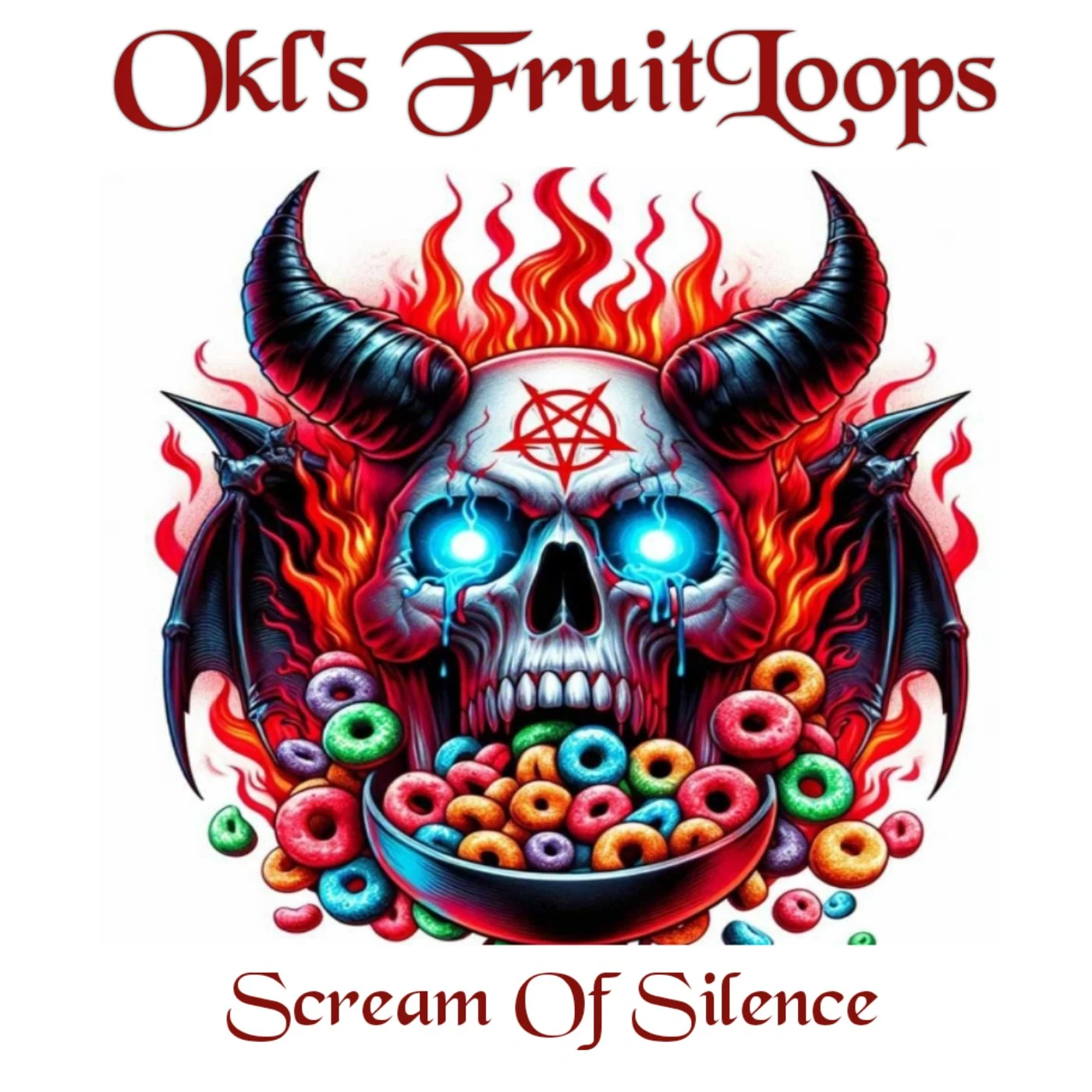
OKL’s FruitLoops
Melody, Inner Battles & Brotherhood
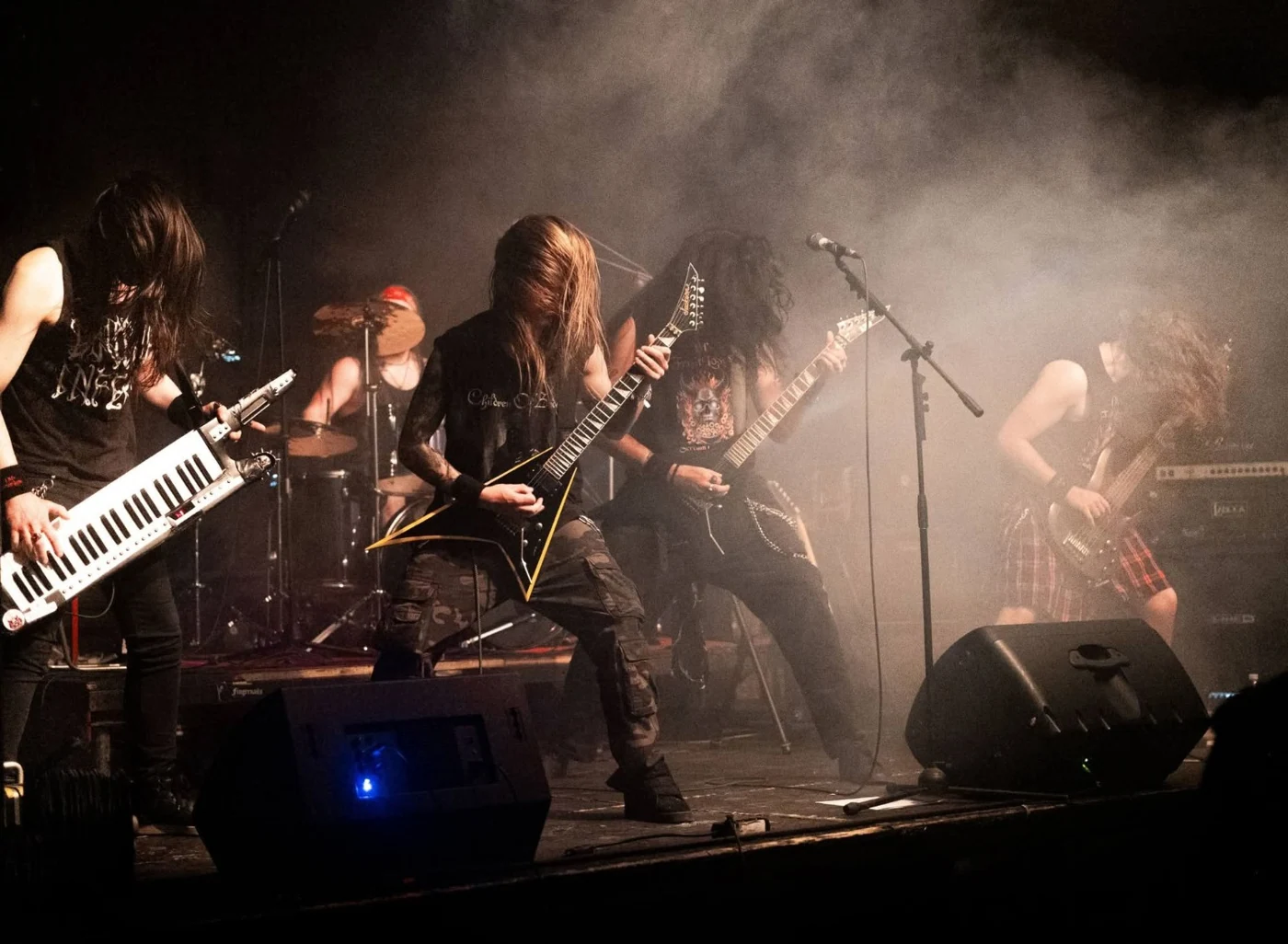
From a one-man outlet for grief and anxiety to a five-member Slovenian family, Matej Okleščen tells the story behind the unlikely name, the emotional weight of Scream Of Silence, and the chemistry that makes the band larger than any one member.
A name that disarms. Music that hits back.
OKL’s FruitLoops may sound colorful and playful, but the music carries grief, anxiety, resilience and brotherhood through melodic death metal. This conversation moves from the project’s uncertain beginnings into the personal battles behind its songs and the five personalities now pushing it beyond Slovenia.
Take us back to the beginning. What led you to start OKL’s FruitLoops, and how did the project grow into the band it is today?
It all started sometime around 2021, although I honestly couldn't tell you the exact moment when the idea of Okl's FruitLoops was born. [laughs] I've always loved creating music, writing riffs and putting ideas together. But at some point, I got tired of just playing music on my own. I wanted to take those ideas further, turn them into actual songs and share them with other musicians.
For me, music has always been much more than just a hobby. Writing music and lyrics is my own kind of painkiller. It's a way of dealing with emotions, experiences and things that sometimes aren't so easy to put into words. When I'm creating music, I can take whatever is going on inside my head and turn it into something meaningful. So I started looking for musicians who shared that passion. The first lineup came together, but it didn't last very long. We were at different stages in our lives and had different ideas about where we wanted to take the band. However, one thing we did create together was the band name — Okl's FruitLoops. There's actually a pretty funny story behind that name, but I'll get to that in the next question. [laughs]
Eventually, we went our separate ways, and I found myself writing music alone again. But I didn't want to give up. I decided to record a song called Mr. Grim, with some friends helping me record the drums, bass and keyboards. I released it under the name Okl's FruitLoops, hoping it might help me find musicians who were interested in building something more serious. And slowly, that's exactly what happened. The right people started coming together, the band began taking shape, and what had started as my personal musical project gradually became something much bigger.
Today, Okl's FruitLoops is a five-piece band, and every member brings their own ideas, personality and musical background into what we create. It's no longer just my music — it's our music. The funny thing is that I never really imagined this would grow into what it is today. I wasn't sitting there in the beginning with some huge master plan. I just wanted to make music that I loved. But I guess when you put enough love, passion and energy into something, sometimes it starts growing beyond anything you originally expected. And looking at where we are today, I'm incredibly proud of what we've built together.
The name OKL’s FruitLoops makes people curious before they hear a note. What's the story behind it, and does it ever give people the wrong idea about your music?
The name actually came from the very first lineup of the band, and believe it or not, it started almost as a joke. [laughs] Back then, I was the founder of the project, and the guys thought it would be a good idea to include part of my surname, Okleščen, in the band's name. That's how Okl's came about. To be honest, I wasn't particularly excited about that idea at first. I didn't want the band to sound like it was all about me, with everyone else just playing in the background. I've never looked at music that way. A band is a team, a family — not somebody's personal kingdom.
Then came FruitLoops. We were a pretty colorful bunch of people, especially when it came to our personalities and the age differences between us. Somehow, the idea of those colorful breakfast cereal loops came up, and we thought it was hilarious. So we put the two parts together, and suddenly we had Okl's FruitLoops. [laughs] When the original lineup eventually fell apart, I actually considered changing the name. Later, when the current lineup started coming together, we discussed it again. But by then, the name already had a history, and we decided to keep it. And honestly, I'm glad we did.
I think one of the funniest things about our name is that people often have absolutely no idea what kind of music they're about to hear. You see a name like Okl's FruitLoops, maybe imagine something cheerful, colorful or completely ridiculous, and then suddenly you're hit with aggressive guitars, harsh vocals, melodies and a whole lot of energy. [laughs] There are already thousands of metal bands with dark, evil or extremely brutal names. We never felt the need to follow that formula. Why shouldn't a melodic death metal band have a funny, colorful name and still kick some serious ass on stage? At the end of the day, the name might make people smile, but we let the music do the talking.
Your debut album is called Scream Of Silence. What does that title mean to you, and what made it the right name for this collection of songs?
We actually chose the title together as a band. When we were discussing what to call our debut album, Scream Of Silence just felt right. We all agreed that it was a strong title, one that captured the atmosphere and emotions behind the music.
But for me personally, the song Scream Of Silence has a much deeper meaning. It's about something I would describe as an inner demon. Not necessarily a literal demon, but something dark that lives inside you, slowly eating away at you from within. Something you might be fighting every single day, even when nobody around you can see it. And I think that's where the title becomes especially meaningful to me. Sometimes the loudest screams are the ones nobody can hear.
I've always seen writing lyrics as a kind of personal diary. I take emotions, experiences and things that have left a mark on me and turn them into stories or imagery. I don't necessarily want to explain every detail literally, because I believe people should have the freedom to find their own meaning in the songs. That's also why I think Scream Of Silence works so well as an album title. The songs tell different stories, but there's a lot of real emotion behind them. And sometimes, turning those emotions into music is the best way I know to let them out.
Your own band description points listeners toward In Flames, Arch Enemy, Children of Bodom and Kalmah. What did those bands open up for you musically, and where do you hear your own identity emerging?
I've always loved melody, and that goes way beyond melodic death metal. Even as a kid, I was drawn to music with strong melodies, so I guess it was only natural that I eventually found my way into this genre. Children of Bodom definitely had a huge influence on me, especially their Hate Crew Deathroll era. Arch Enemy were another important influence, and I love how bands like In Flames and Kalmah combine aggression with beautiful melodies.
But here's the funny thing: we never really sat down and decided what Okl's FruitLoops should sound like. We just started making music that we enjoyed playing. I've never written a riff thinking, This has to sound like Children of Bodom, or Let's make something like Arch Enemy. My approach has always been pretty simple: if I like what we're creating, that's already a good start. And if other people enjoy it too, even better! [laughs] Actually, it was other people who started comparing us to those bands. We've even been compared to Kreator. Someone once told us that if Kreator and Children of Bodom went to the bathroom to make a baby, Okl's FruitLoops would come out. I'm still not entirely sure how to respond to that one! [laughs]
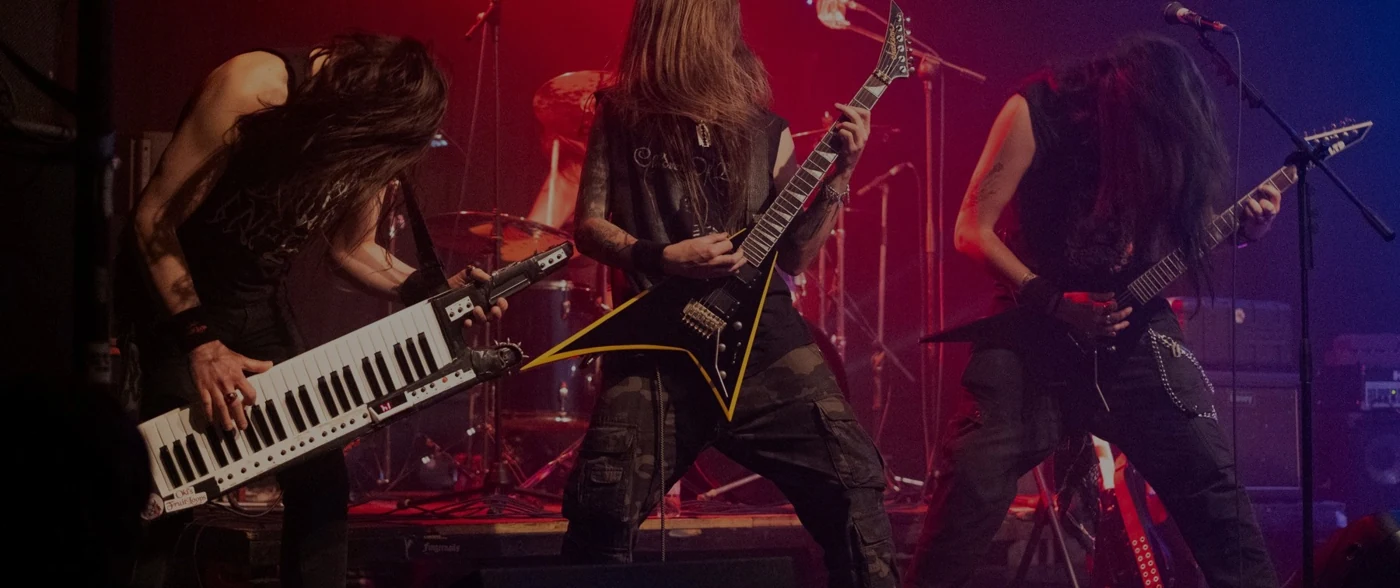
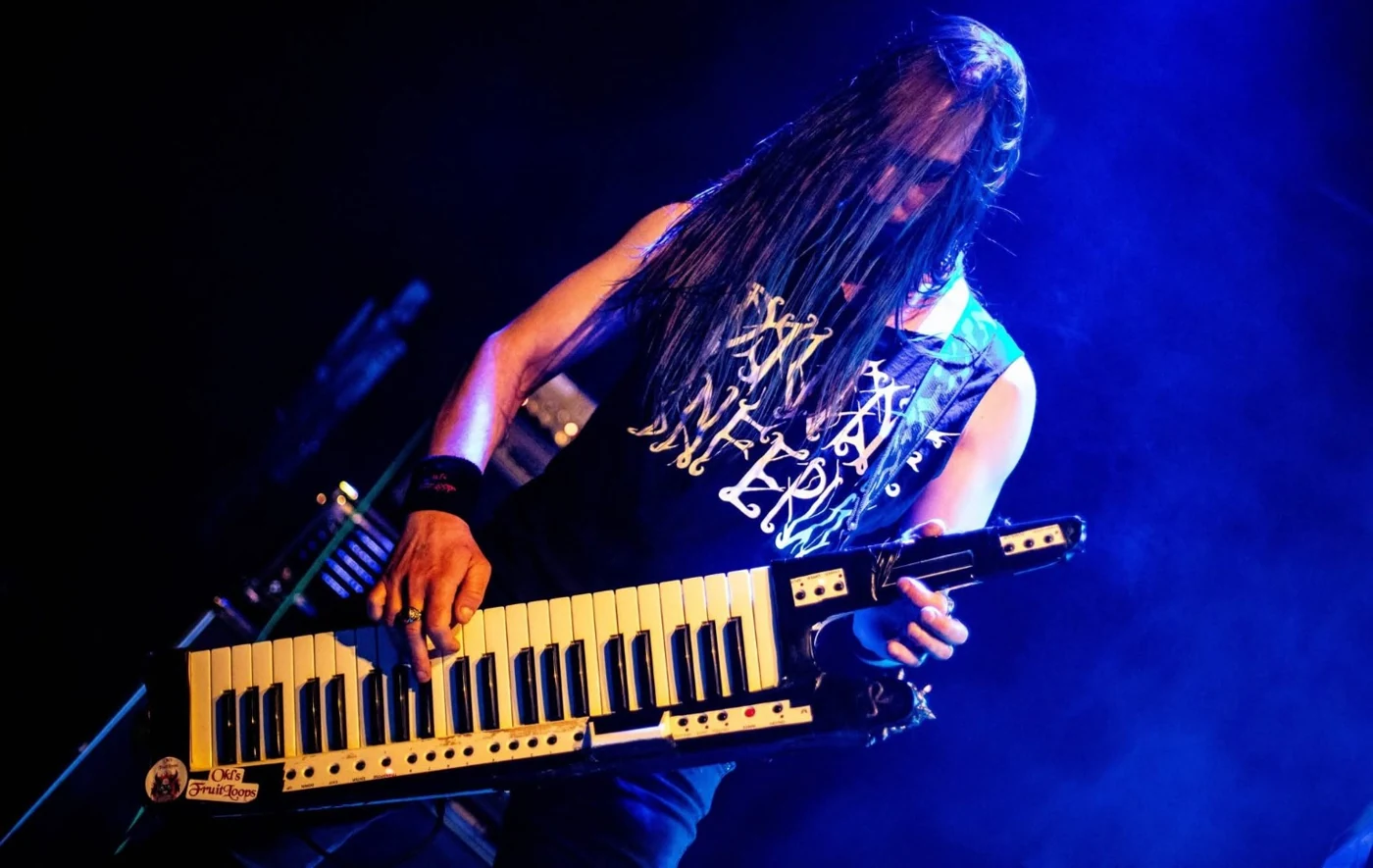
Of course, everyone in the band has their own influences. Alex, our lead guitarist, is a massive Children of Bodom fan, so some of that inspiration naturally comes through in his playing. But each member brings something different into the music. And if you ask me what really gives Okl's FruitLoops its own identity, I'd probably say it's our keytar. I absolutely love what Dejan brings to the band. The way the keyboards and keytar interact with the guitars adds another dimension to our songs. Sometimes they create atmosphere, sometimes they carry the melody, and sometimes they just make everything sound bigger and more powerful. For me, that's one of the things that makes our sound recognizable. At the end of the day, we're not trying to reinvent melodic death metal or become the next Children of Bodom. We're just five guys making the kind of music we love, and somewhere along the way, our own sound started taking shape.
Melodic death metal can carry both aggression and emotion. When you're writing, what tells you a melody belongs inside a heavy song rather than softening its impact?
Honestly? It's pretty simple. I have to like it! [laughs] I don't sit there analyzing whether a melody is too soft or too aggressive for a particular song. I usually just follow my ears and my instincts. If something sounds good to me and feels right within the song, then it belongs there. I've always loved the combination of heavy riffs and strong melodies. And personally, I don't think melody takes anything away from aggression. Sometimes it's exactly the opposite. A powerful melody can make a heavy song even more intense because it adds another layer of emotion.
A good example is our song Scream Of Silence. There's a melody that comes right after the first verse, and we absolutely love it. But we've also had people tell us that it sounds a little too happy for melodic death metal. [laughs] And that's perfectly fine! Everyone hears music differently. But for us, that melody works, and that's what matters. We're not going to remove something we love just because it doesn't fit somebody else's idea of how metal should sound.
When I'm writing, I usually start putting ideas together in Guitar Pro, experimenting with riffs, harmonies and melodies until something clicks. But those are just the starting ideas. We develop and shape the songs together as a band. Everyone contributes their own ideas, and sometimes a song ends up sounding quite different from what I originally imagined. For me, music isn't about following a set of rules. It's about creating something that makes you feel something. If we all love a melody, it stays. Too melodic? Too soft? Too happy for death metal? Don't like it? Don't listen! [laughs]
We've played “Mr. Grim” on TOUR DE THRASH RADIO. Who or what is Mr. Grim, and what inspired the song?
Well, Mr. Grim is basically anxiety, fear and all those dark thoughts that can slowly eat you alive from the inside. He's not a real person or some supernatural creature. He's a representation of something many people struggle with — those invisible battles happening inside your own head, the fears that drain your energy and sometimes make even the simplest things feel difficult. A lot of my lyrics are actually about fighting yourself, facing your fears and dealing with things that have left scars along the way. But instead of writing about those experiences directly, I like turning them into characters, battles or imaginary situations. And that's exactly what I did with Mr. Grim. Mr. Grim is an enemy you unknowingly create within yourself, shaped by your own fears, traumas and the things you've been carrying inside for years. And the cruelest part is that you're the one who has to face him.
In the song, I actually give Mr. Grim his own voice. He's almost like a character who feeds on your fears, waits for your weakest moments and tries to take control. That's how I like to write about inner struggles — I turn something invisible into an enemy you can almost see standing in front of you. I think that's what makes those inner battles so difficult. You can't simply pick up a sword and defeat whatever is going on inside your head. Sometimes you have to face the same enemy over and over again.
But there's another important part to the story: Mr. Grim doesn't have to win. You can struggle, you can fall, and you can have days when everything feels like a complete mess. But you can also get back up, face those fears and keep moving forward. That's something I try to express through my music. There may be darkness in the lyrics, but that doesn't mean there's no hope behind them. And at the end of the day, that's the message I'd like people to take from Mr. Grim. The battle might be a bitch, but it doesn't mean you've lost the war. [laughs]
“Nightmare Rhapsody” is another song we've shared with our listeners. What story or state of mind does it explore, and how did you translate that into the music?
Well, I guess you're starting to notice a pattern in my lyrics! [laughs] Nightmare Rhapsody is another song about inner battles, fears and the things that can haunt you from within. But while Mr. Grim gives those fears the shape of an enemy, Nightmare Rhapsody focuses more on the person who's actually fighting that battle.
There's a saying in Slovenia: The night has a power of its own. And I think there's a lot of truth in that. Problems that seem perfectly manageable during the day can suddenly feel impossible to solve at night. Your fears grow bigger, your thoughts become louder, and things that didn't seem so frightening a few hours earlier can turn into monsters inside your head. That's exactly the kind of feeling behind Nightmare Rhapsody. It's about those nights when you're fighting battles that somehow seem much smaller in the daylight. There's actually a line in the song: Another night is coming, another beast will hunt me down. I think that sums it up pretty well. You know another difficult night might be coming, and you wonder whether you'll manage to fight your way through it or become a prisoner of your own fears.
But there's also a line about the chains falling down, and that's an important part of the story. It's not just about being trapped in your nightmares. It's also about wanting to break free. And then there's that moment when everything becomes too much and all you want to scream is Shut the fuck up! [laughs] Sometimes that's probably the most accurate way to describe what's going on inside your head. You just want all the noise, fears and thoughts to leave you alone for a moment.
Musically, we didn't follow some complicated formula to express those feelings. As with our other songs, we worked on the ideas together, experimented with different parts and followed what sounded right to us. The combination of aggressive riffs and melodies gives the song both its intensity and its emotional side. That's what I love about melodic death metal. You can take something dark, frightening or painful and turn it into something powerful, sometimes even beautiful. For me, Nightmare Rhapsody is about facing those monsters in your head, breaking the chains and remembering that even the longest night eventually gives way to daylight.
From “Icons Of Insanity” and “Timeless Chaos” to “Call For Freedom,” the song titles suggest several different struggles. Is there a thread connecting the lyrics across the album, or does each song stand in its own world?
I think there's definitely a common thread running through the album, even though each song tells its own story. I've always believed that if you're going to write music, you should write about something you actually feel. I couldn't sit down and write a bunch of sweet love songs if that's not what I'm feeling inside. It just wouldn't be me. [laughs]
A lot of my lyrics come from personal experiences, especially the difficult ones. I've had my own battles with fears, anxiety and things from the past that have left their scars. In 2017, I lost my daughter Kim... It's something that changes you forever. You learn to live with that loss, but the scars remain. Experiences like that inevitably shape the way you see the world, the way you feel things and, in my case, the way you write music. But I don't necessarily write about those experiences directly. I turn them into battles, characters, nightmares or imaginary worlds. That gives me a way to express those emotions without having to explain every personal detail behind them.
For example, Timeless Chaos deals with the feeling of being trapped in your own mind, struggling with fear and desperately wanting to break free. Icons Of Insanity has a different kind of energy. It's about standing up, facing your fears and refusing to let them control your life. And Call For Freedom takes that idea of struggle into a wider world, dealing with oppression, manipulation and the fight for freedom. So the stories are different, but the underlying theme is often the same: fighting for something, whether it's your freedom, your peace of mind or simply the strength to keep going.
There's also something interesting about Icons Of Insanity. It's actually one of the songs I love listening to when I'm having a really bad day. You might think that listening to aggressive music when you're already feeling terrible would make things worse, but for me, it's the exact opposite. That song lifts me up. It gives me energy and reminds me to fight back. And I guess that's what I love most about writing this kind of music. I can take something painful, turn it into a song, and sometimes that very same song helps me when I need it most. So yes, every song has its own world, but they're all connected by something very real. They're different battles, but in many ways, they're all part of the same war.
What changed most between your first ideas for Scream Of Silence and the finished recordings? Was there a song that challenged you or took an unexpected direction in the studio?
Oh, quite a few things changed along the way! [laughs] Recording Scream Of Silence was a pretty interesting journey, especially because we were still going through lineup changes while working on the album. The title track, Scream Of Silence, was recorded entirely with our previous guitarist handling all the guitar parts. Later, Alex Konjačić joined the band and recorded the guitars on every other song on the album.
The recording process itself was also a challenge. We recorded the title track entirely at Studio Evolucija with Simon Jovanović. For the rest of the album, we had to find a slightly different approach because of our limited budget. We recorded the drums in the studio, while most of the guitars, bass and vocals were recorded in my home studio. Then we sent everything to Simon for mixing and mastering. It wasn't always easy, especially because the recording sessions were spread out over a longer period. But we worked with what we had and did our best to make it all come together.
As for a song that took an unexpected direction, Icons Of Insanity is a great example. Originally, the song started with all the instruments coming in together. But just before we began recording, we decided to change the introduction completely and start with the drums alone. It might sound like a small change, but sometimes those little decisions can make a huge difference to how a song feels. And honestly, that's one of the things I enjoy about working with a band. You can have an idea that seems completely finished, and then someone suggests a change that makes you wonder why you didn't think of it earlier. [laughs]
Looking back, I'm really proud of what we achieved with our debut album, especially considering the circumstances. Of course, we've learned a lot since then, and there are things we'd approach differently today. But that's part of growing as musicians and as a band. Scream Of Silence isn't just our first album. It's also a snapshot of how Okl's FruitLoops grew into the band we are today.
Tell us about the people making this music with you. How do the members shape the songs, and what does each person bring that you couldn't replace?
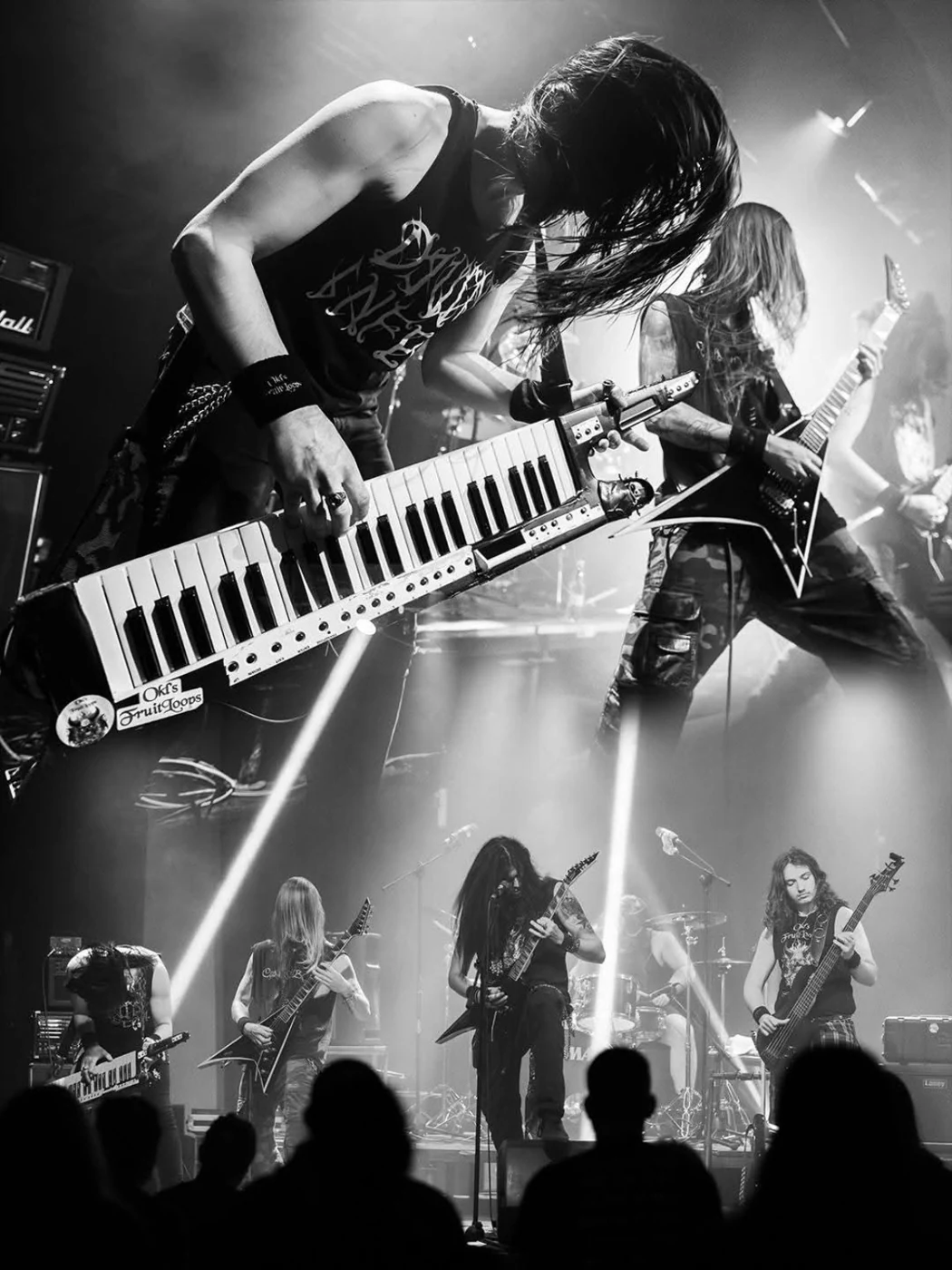
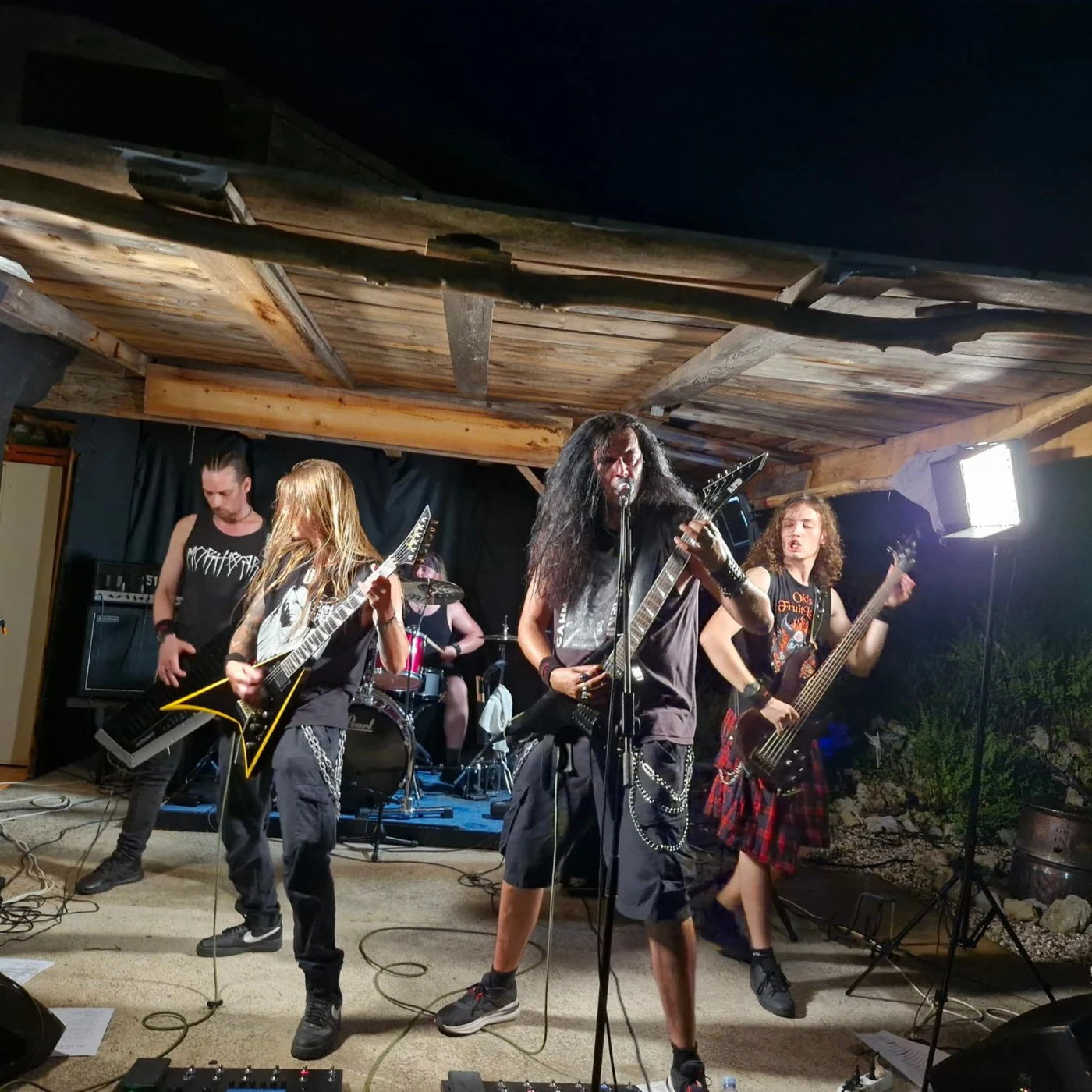
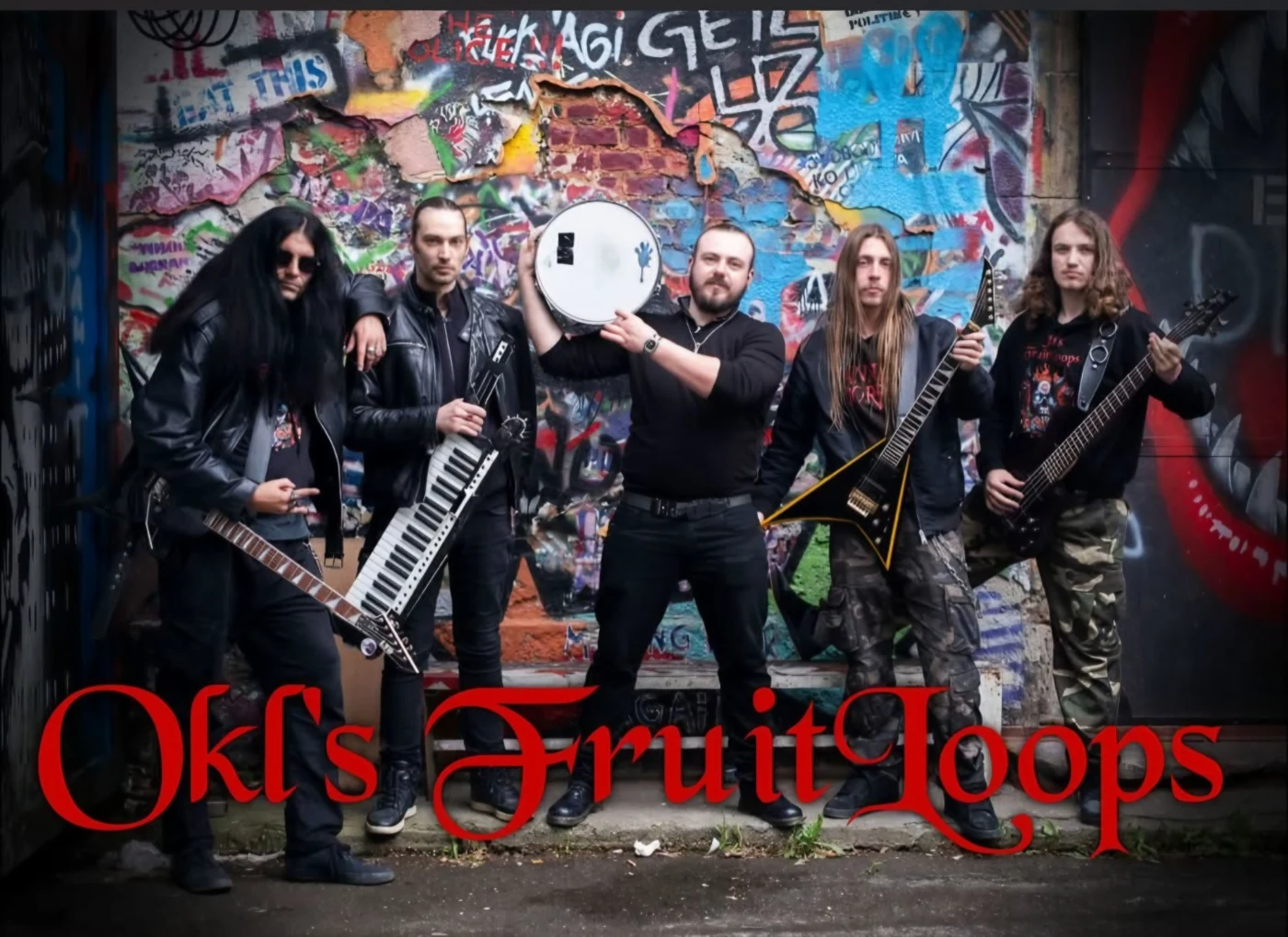
Oh man, where do I even start? [laughs] First of all, I genuinely love these guys. And I don't mean that just because we're playing in the same band. There's something special about the connection we have, something that's actually quite difficult to put into words. Every single member of Okl's FruitLoops has his own personality, musical background and way of looking at things. And somehow, when you put us all together, it just works.
Usually, I'll come up with some initial ideas in Guitar Pro, whether it's a riff, a melody or the basic structure of a song. But that's only the beginning. We develop those ideas together, and everyone contributes to shaping the final result.
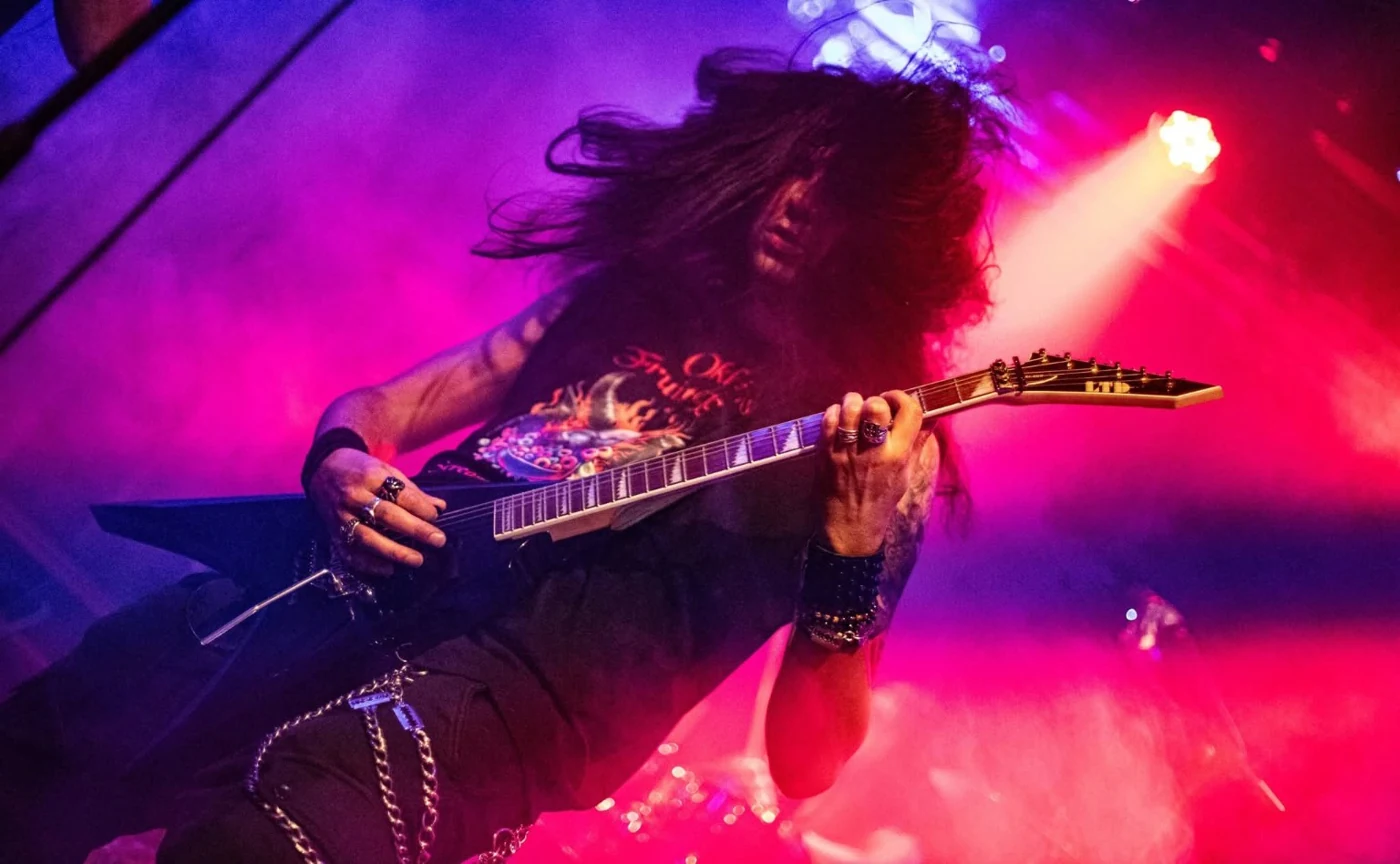
Alex Konjačić, our lead guitarist, brings his guitar playing, melodies and musical ideas into the mix. He's also a massive Children of Bodom fan, so you can probably imagine how much we enjoy talking about Alexi Laiho. [laughs]
Erik Rink-Perme, our bassist, has this incredible energy about him. I honestly don't know how to describe it properly. There's just something about his presence, his personality and the vibe he brings, especially when we're on stage together. It's almost contagious. You can feel that energy, and I absolutely love it.
Iztok Šali, our drummer, is actually more of a punk rocker at heart. And I think that's one of the coolest things about him! He brings that raw, almost rebellious punk attitude into his drumming, and the energy he puts behind the kit is unbelievable. He doesn't just play the drums — he attacks them! [laughs]
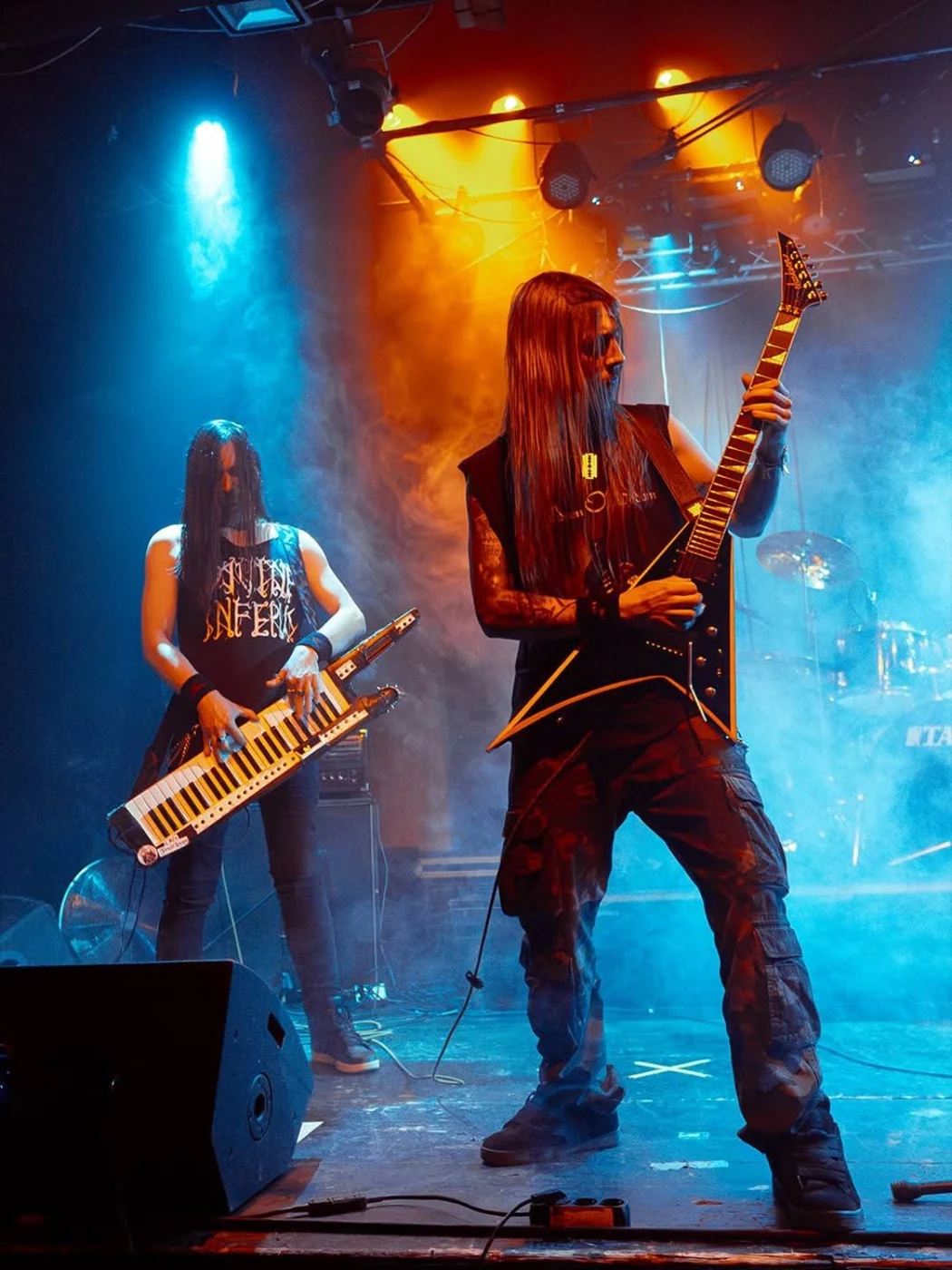
And then there's Dejan Pakiž, our keyboardist and keytar player. Now, his story is something else. Believe it or not, Dejan used to be my wife's boyfriend about twenty years ago! [laughs] When we were looking for someone to play keyboards, my wife actually suggested him. So I contacted him, we started talking, and eventually he joined the band. I mean, seriously, how many bands can say their keyboardist was recommended by the singer's wife, who also happens to be the keyboardist's ex-girlfriend? [laughs] But jokes aside, Dejan brings something really special to our sound. His keytar adds another dimension to the music, and I honestly believe it's one of the things that makes Okl's FruitLoops recognizable.
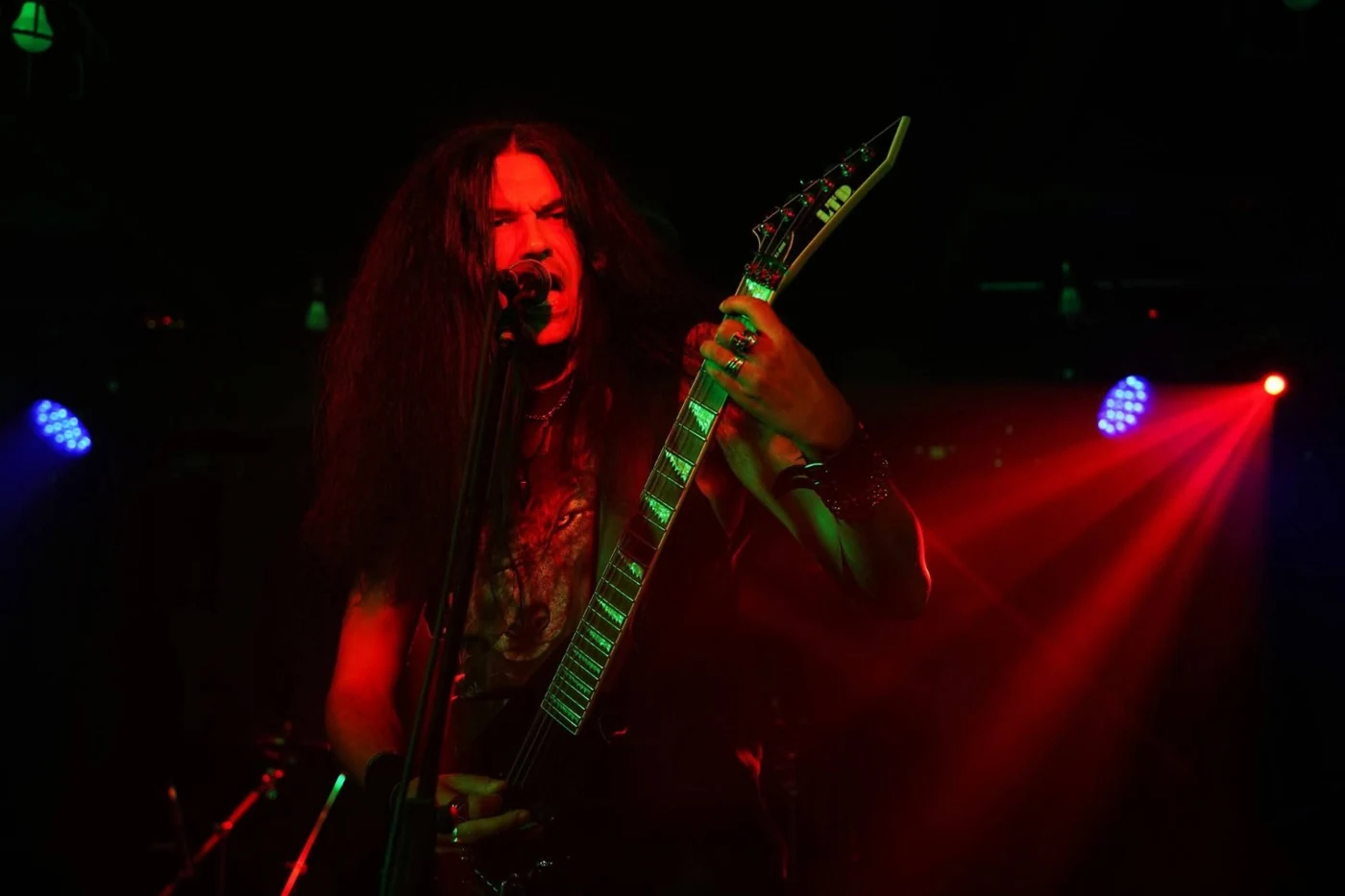
And then there's me, trying to keep this bunch of lunatics under control while singing and playing rhythm guitar. Good luck with that! [laughs] But seriously, I wouldn't want to replace any of them. It's not just about how well somebody plays an instrument. It's about chemistry, trust, friendship and that feeling you get when you're standing on stage together. I don't just play music with these guys. I feel connected to them. And that connection is worth more to me than anything else. We're five different personalities, but when we play together, we're one family. WE RIDE TOGETHER, WE DIE TOGETHER!
What is life like for a working underground metal band in Slovenia? Which local bands, venues or people deserve more attention from listeners outside the country?
Well, Slovenia is a small country, and our metal scene is relatively small too. But that doesn't mean there's a lack of passion or talented musicians here. Quite the opposite, actually! We have some really dedicated metal fans, great musicians and people who work incredibly hard to keep the underground scene alive.
The biggest challenge for a band like ours is probably finding enough opportunities to play live and reach new audiences. There are only so many venues and events in a country this size, so sooner or later you have to start looking beyond the borders. And that's exactly what we've been doing.
But I think people sometimes underestimate how much work goes into running an underground band. It's not just rehearsing, writing songs and playing concerts. There's booking, promotion, contacting organizers, sending applications, arranging transportation, managing expenses and about a thousand other things. [laughs] And of course, most of us have regular jobs and families on top of all that. Sometimes I honestly think organizing everything around the band takes more time than actually playing music! [laughs]
As for bands that deserve more attention, I'd definitely mention Divine Inferus, Bratva, Hellcats, Noctiferia, Edge of Sins…. There's a lot of talent in the Slovenian underground, and I think more people outside our country should take the time to explore it.
When it comes to venues, Ljubljana has some important places for live music, including Metelkova, Kino Šiška and Cvetličarna. They're all part of the wider live music scene, although they differ in size and the kinds of events they host. I'd also like to mention Timotej Hrastar, who helped us during the recording process, and Simon Jovanović from Studio Evolucija, who worked on our debut album. People like them are an important part of what makes underground music possible.
But despite all the challenges, I genuinely love being part of this scene. There's something special about playing a show, meeting people who share your passion and realizing that the music you've created has connected with someone. And I think that's what keeps us going. Slovenia might be small, but our passion for metal definitely isn't! [laughs]
Looking ahead, what are you working toward with new music and live shows? And when someone finishes reading this interview, what would you most like them to understand about OKL’s FruitLoops?
Oh, we've got plenty of plans! Probably more than we have time for! [laughs] We're already working on new material, and I'm really excited about the direction the songs are taking. We've learned a lot from recording Scream Of Silence, and I think that experience will help us take the next album even further.
One of the interesting changes is that we've also started experimenting with lower tunings. We've now moved into C standard tuning, and we're writing some of our new material in Drop C as well. It opens up some new possibilities for heavier riffs and different musical ideas, while still keeping the melodies that have always been such an important part of our sound.
We're also preparing to shoot an official music video for Their Time Will Fall on November 29th, which will be our first music video featuring the current lineup. That's something we're really looking forward to!
As for live shows, our main focus right now is expanding beyond Slovenia. We're actively looking for opportunities across Europe, whether that's playing festivals, smaller clubs or putting together a series of shows in different countries. Of course, we'd love to play bigger festivals, go on a European tour and share the stage with some of the bands we've admired for years. Who wouldn't? [laughs] But we're also realistic. We're an independent underground band, and we know that nothing happens overnight. Every opportunity takes work, patience and a lot of determination. And we're not afraid of that.
As for what I'd like people to understand about Okl's FruitLoops after reading this interview, I think it's actually pretty simple. We're five ordinary guys who share an extraordinary passion for music. We're not trying to be the next Children of Bodom, Arch Enemy or anyone else. We respect those bands enormously, but we want to create something that's ours. We write music because we love it. We play because we love it. And we put our hearts into what we do, whether we're performing in front of twenty people or two thousand. Behind the aggressive guitars, harsh vocals and sometimes pretty dark lyrics, there are real people, real emotions and real stories.
And despite the serious themes in our music, we also love having fun. I mean, come on, we're a melodic death metal band called Okl's FruitLoops! [laughs] We don't take ourselves too seriously, but we take our music and our commitment to each other very seriously. If somebody finishes this interview and decides to check out our music, that's already something special to us. And if they connect with even one song, then everything we've put into it has been worth it. We're Okl's FruitLoops. We make the music we love, we stand together as a family, and we're only getting started! See you in the pit!
Band members
- Matej Okleščen
- Lead vocals / rhythm guitar
- Alex Konjačić
- Lead guitar / backing vocals
- Erik Rink-Perme
- Bass
- Iztok Šali
- Drums
- Dejan Pakiž
- Keytar / keyboards